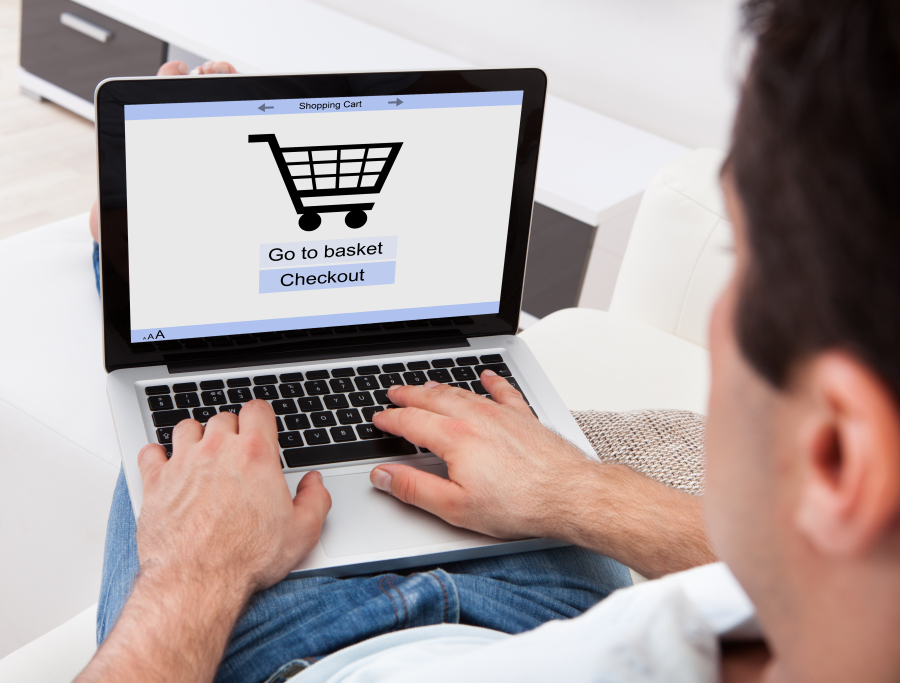
Bienvenue dans le Guide ultime pour acheter votre équipement sportif en ligne, la ressource incontournable pour tous les amateurs et professionnels du sport souhaitant optimiser leur expérience d'achat d'articles de sport en ligne. À l’ère du numérique, plus besoin de parcourir de longs couloirs de magasins bondés; le monde s'offre à vous du bout des doigts. Que vous soyez à la recherche de la dernière paire de baskets high-tech, d'un équipement de fitness robuste ou de la tenue idéale pour votre prochaine aventure, cette guide est la porte d'entrée vers un univers où praticité, diversité et économies se rencontrent. Accompagnez-nous à naviguer dans l’océan des possibilités qu’offre l’achat en ligne pour trouver ce dont vous avez besoin tout en profitant de conseils avisés. Laissons les termes complexes de côté et plongeons ensemble dans le vaste monde des articles de sport à portée de clic.
Comprendre les avantages de l'achat d'équipements sportifs en ligne
L'achat d'équipements sportifs en ligne offre une multitude d'avantages qui séduisent aussi bien l'homme que la femme, et ce pour tout type de sport. Premièrement, parlons de la variété exceptionnelle de produits disponibles. Du golf au trail homme, en passant par le basketball et le running trail, chaque discipline trouve son bonheur avec des articles spécialisés à portée de clic. De plus, la facilité de comparer les prix assure de toujours bénéficier des meilleurs prix. Enfant ou adulte, chacun trouve l'équipement approprié, que ce soit des chaussures de running, ou même acheter un panier de basket mural ou un vélo dernier cri ou un tour de stand paddle. Les sites spécialisés en vente en ligne proposent d'ailleurs de larges gammes de marques reconnues telles qu'Adidas ou Hoka One, garantissant ainsi l'accès à des produits de qualité.
La commodité est également un avantage majeur. Exit les déplacements interminables et les heures perdues en magasin. La livraison à domicile transforme l'acte d'achat en une partie de plaisir confortable. Que ce soit pour des vêtements homme ou des accessoires de football, tout est livré directement chez vous. Et n'oublions pas l'aspect temps-réel. Les plateformes d'achat en ligne proposent souvent des stocks actualisés, ce qui permet d'acheter du matériel de sport d'occasion récemment ajouté ou de profiter instantanément des dernières sorties, comme la célèbre chaussure Adidas Predator ou des maillots aux couleurs noir et blanc de votre équipe préférée.
Stratégies pour repérer les meilleures offres d'articles de sport sur internet
Pour s'assurer de repérer les meilleures affaires en ligne, plusieurs stratégies s'avèrent efficaces. Premier conseil : utiliser des outils de comparaison de prix. Ainsi, que vous cherchiez des chaussures de course à pied ou des équipements outdoor pour femme, enfant ou homme, ces plateformes vous aideront à dénicher les produits en vente au meilleur tarif. Une autre stratégie consiste à s'abonner aux newsletters des grandes enseignes spécialisées pour être alerté des promotions et des ventes exclusives, que ce soit pour des vêtements de sport, des vélos, ou même du matériel spécifique comme un tapis de course ou des accessoires de volley-ball.
Enfin, ne sous-estimez pas la puissance des réseaux sociaux et des forums dédiés aux sportifs. Les groupes de discussions sont souvent le théâtre de partage d'expériences et de bons plans pour des produits spécifiques comme les chaussures running ou l'équipement pour le football. Les codes promos et les réductions se partagent également dans ces communautés, où l'on peut par ailleurs bénéficier de retours d'expérience précieux sur la qualité et la durabilité de l'équipement sportif pour enfant, femme ou homme.
Conseils de sécurité et bonnes pratiques lors de l'achat en ligne
La sécurité est un aspect non négligeable lors de l'achat d'articles de sport en ligne. Pour garantir une expérience sans risque, il est essentiel de vérifier la fiabilité des sites sur lesquels vous envisagez de réaliser vos achats, notamment pour des produits à forte valeur comme le matériel de sport ou la tenue de trail homme. Toujours s'assurer que le site utilise des protocoles de paiement sécurisés, reconnaissables au préfixe "https" et au cadenas affiché à côté de l'URL, ce qui est un critère de confiance pour les acheteurs de vêtements de sport, d'accessoires, ou d'équipements de golf par exemple.
Il est également conseillé de lire les avis et feedbacks d'autres clients, pour des articles comme les chaussures running ou les équipements de football, afin d'évaluer la qualité des produits et la fiabilité du service de livraison. De même, prêtez attention à la politique de retour et aux garanties offertes. Par exemple, l'achat d'un vélo peut représenter un investissement important et la possibilité de retourner facilement le produit en cas de défaut est un aspect essentiel.
Optimisation de l'expérience utilisateur pour un shopping sportif efficace
Une navigation intuitive et une interface conviviale sont cruciales pour une expérience d'achat en ligne réussie. Les sites d'achat d'articles de sport en ligne doivent offrir une interface épurée et facile à naviguer, accompagnée de filtres pertinents qui simplifient le processus de recherche pour les utilisateurs, qu'ils soient à la recherche d'équipements pour une discipline spécifique comme le tennis ou pour du matériel sport plus général. En outre, des descriptions de produits détaillées et des guides de tailles précis sont indispensables pour des articles comme les baskets pour homme et femme ou les équipements de course à pied.
Les plates-formes transactionnelles doivent offrir des outils tels que les listes de favoris, qui permettent aux clients de sauvegarder les chaussures de running, les vélos ou les tenues de sport occasion qu'ils souhaitent acheter ultérieurement. Pour une fiabilité optimale, les sites doivent également proposer différents modes de livraison et de paiement, autorisant ainsi plus de flexibilité et d'accessibilité, ce qui est particulièrement important pour les acheteurs d'équipements de professions comme ceux pour le golf ou le yoga.

Les critères essentiels pour choisir son matériel sportif sur le web
Choisir le bon matériel sportif sur internet implique de tenir compte de certains critères essentiels. Les spécificités techniques d'un produit, comme la composition en PVC pour un ballon de football ou la technologie de la semelle d'une chaussure de running, sont à évaluer avec précision. Il est également impératif de considérer les besoins spécifiques liés à chaque sport et à chaque utilisateur, que ce soit pour un vélo de course, des chaussures de trail homme ou un maillot de bain pour la nage en compétition.
L'importance de l'ajustement ne doit pas être sous-évaluée, notamment pour les articles vestimentaires et les chaussures. Les vêtements de sport doivent garantir un confort optimal et une liberté de mouvement, l'homme comme la femme devant se sentir à l'aise lors de l'effort. Les accessoires tels que les tour de cou ou les bracelets de sport doivent être choisis en fonction de leur facilité d'utilisation et de leur praticité.
Analyse de marché : tendances actuelles dans le secteur de l'équipement sportif en ligne
Le marché de l'équipement sportif en ligne évolue constamment, et plusieurs tendances se dessinent nettement. La personnalisation des produits, comme des chaussures de running ou des maillots de football aux couleurs blanc rouge, gagne en popularité parmi les consommateurs souhaitant se démarquer. L'écoresponsabilité est également un facteur décisif, avec une demande croissante pour des produits fabriqués dans le respect de l'environnement, comme des vêtements en matériaux recyclés ou des accessoires de sport durables.
En outre, la digitalisation des services d'achat d'équipements sportifs présente de nouvelles opportunités. L'intégration de réalité augmentée pour essayer virtuellement des chaussures ou des vetements homme et femme à distance avant l'achat devient progressivement une fonctionnalité-standard chez les détaillants avant-gardistes. La facilité d'accès aux produits grâce à des applications mobiles dédiées enrichit l'expérience d'achat et permet aux consommateurs de commander en quelques clics, que ce soit un ballon de football ou un ensemble complet pour le running trail.
